
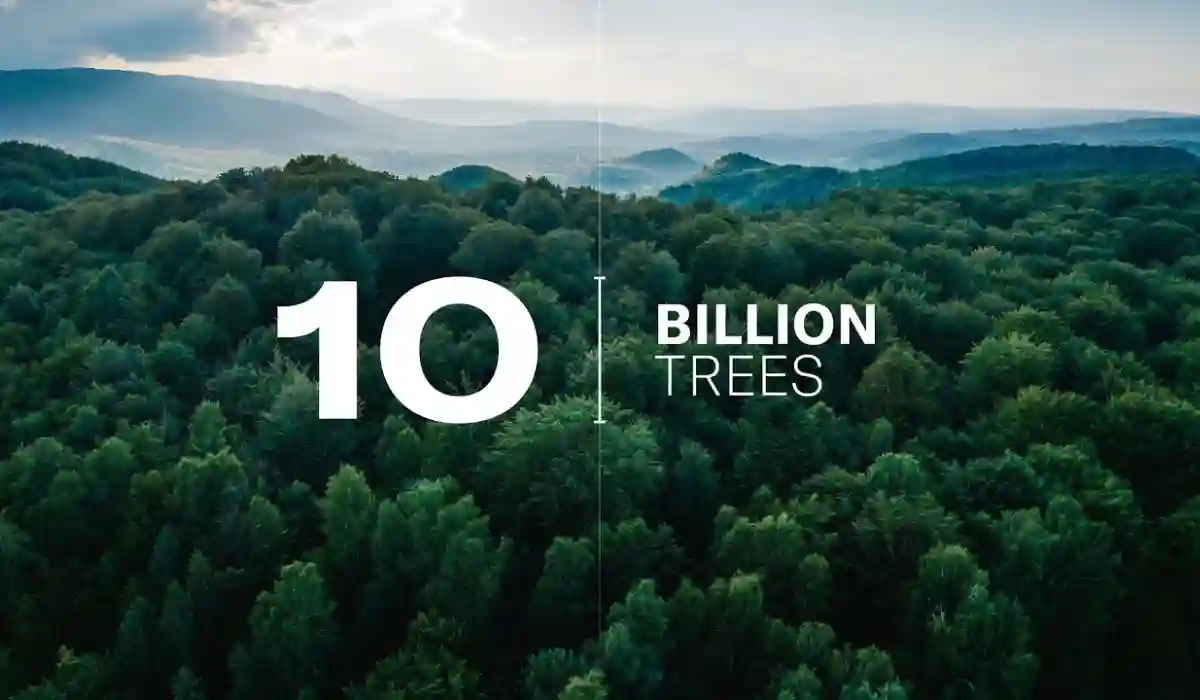
Saudi Arabia has embarked on one of the world’s most ambitious environmental projects: planting 10 billion trees across the Kingdom to combat desertification, reduce carbon emissions, and improve urban and rural environments. Part of the Saudi Green Initiative and the broader Middle East Green Initiative, this massive undertaking seeks to rehabilitate tens of millions of hectares of degraded land. While the goal is bold and attention-grabbing, experts caution that success depends on scientific planning, sustainable water management, and long-term maintenance.
Scientific Planning: Choosing the Right Trees and Locations

The initiative is not a simple tree-planting exercise. Authorities have conducted extensive ecological and feasibility studies, surveying over 1,150 sites to determine which tree species can survive in harsh desert climates. By selecting native and drought-resistant species, the project aims to ensure higher survival rates and reduce dependency on irrigation over time. Urban areas, degraded lands, and ecological hotspots are prioritized to maximize impact, improve local air quality, and create green corridors that enhance biodiversity.
Water Scarcity: The Biggest Challenge
Water scarcity is the most significant challenge. Saudi Arabia relies heavily on desalinated water and underground aquifers, both of which are expensive and energy-intensive. In a desert environment, even native trees need careful irrigation during early growth stages. To overcome this, the Kingdom plans to implement efficient irrigation techniques such as drip systems and use treated wastewater wherever possible. Long-term success hinges on sustainable water strategies that balance environmental restoration with resource conservation.
Extreme Desert Climate: A Test for Survival
The desert’s extreme climate poses additional difficulties. With daytime temperatures often exceeding 45°C, poor soil quality, and frequent sandstorms, tree survival is inherently challenging. Experts warn that planting alone is not enough; maintenance, protection, and periodic replacement of lost saplings are critical. Without this ongoing effort, large-scale mortality could undermine the project’s ambitious objectives, turning it into a numbers game rather than a genuine ecological transformation.
Early Phases and Urban Greening
Despite these challenges, the initiative has strong potential for partial success. Early phases focus on urban greening and degraded lands where environmental conditions are more manageable. Trees in these areas provide immediate benefits such as urban cooling, improved air quality, reduced dust pollution, and aesthetic improvements. These tangible results can encourage further investment, community engagement, and public awareness about the importance of environmental stewardship.
Environmental Benefits Beyond Aesthetics
The environmental benefits extend beyond aesthetics. Afforestation can help sequester carbon, slow desertification, restore soil health, and improve local microclimates. Strategic tree planting along roads, cities, and degraded lands can create natural windbreaks, reducing soil erosion and sandstorms that affect both human settlements and agricultural lands. Over time, these green corridors can also support wildlife habitats and increase biodiversity in regions that were previously ecologically barren.
Economic Advantages of Greening the Kingdom
Economically, the initiative could yield significant returns. Greener cities and improved ecosystems can enhance tourism potential, public health, and quality of life. Urban greening reduces energy consumption by lowering temperatures, and rehabilitated lands can be repurposed for sustainable agriculture or eco-tourism. The Kingdom’s experience may also serve as a global model for other arid countries seeking to combat climate change and restore degraded lands in a cost-effective, scientifically guided manner.
Realistic Goals: Partial Success is Meaningful
While it is unlikely that Saudi Arabia can turn vast desert stretches into lush forests, partial success is achievable and meaningful. The focus on scientifically selected species, phased implementation, and technological interventions increases the chances of creating thriving green zones. The 10 billion tree initiative is arguably one of the largest, most ambitious afforestation efforts in the world, and its outcomes will provide valuable lessons in ecological restoration, water management, and climate resilience for decades to come.