
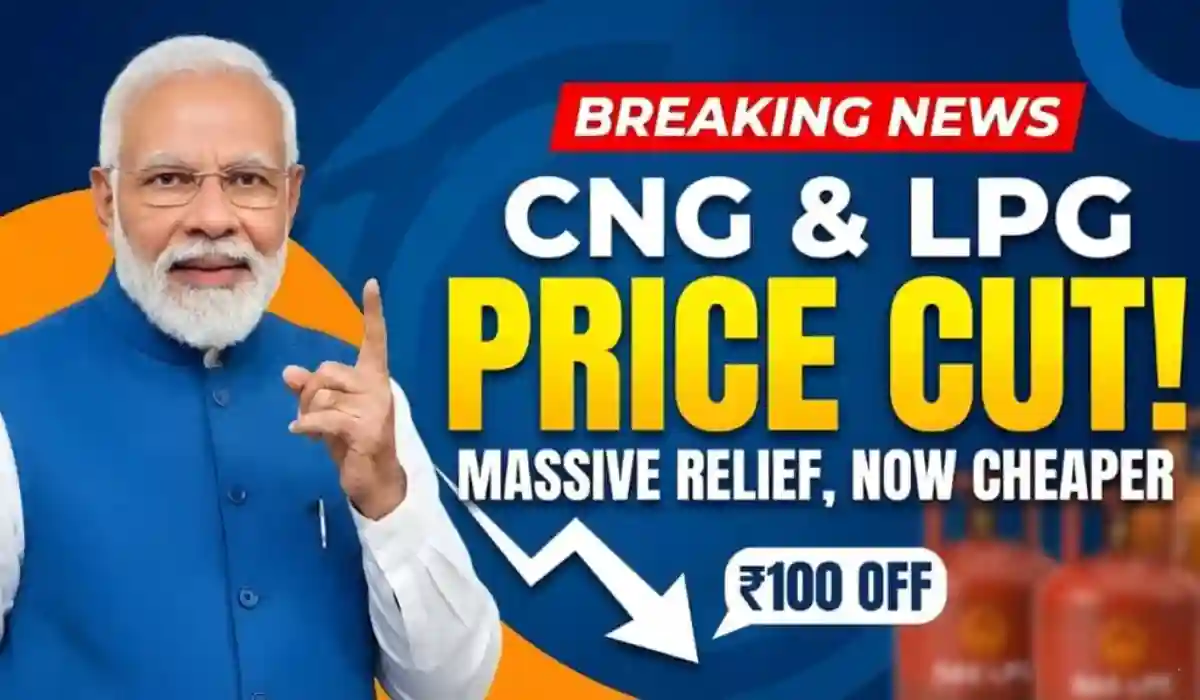
As India steps into 2026, the government has started the year on a positive note for millions of families and daily commuters. Rising fuel expenses have long affected household budgets, transport costs, and small businesses. Keeping this in mind, the latest decision on gas pricing brings much-needed relief and optimism.
This New Year announcement focuses on making cleaner fuels more affordable and accessible. By easing CNG and household gas costs, the move supports both environmental goals and economic comfort, making daily life slightly easier for urban and semi-urban consumers across the country.
Big Relief for CNG Vehicle Owners Across Cities

CNG vehicle users are among the biggest beneficiaries of this New Year decision. With revised natural gas transportation charges, city gas distributors are now able to offer CNG at reduced rates, lowering everyday commuting and commercial driving expenses for lakhs of motorists.
For taxi drivers, delivery partners, and families using CNG cars, even a small reduction per kilogram adds up to meaningful monthly savings. This change also strengthens CNG’s position as a cleaner and more economical alternative compared to petrol and diesel in 2026.
Household PNG Users to See Lower Monthly Bills
Homes connected to Piped Natural Gas systems are set to experience noticeable relief. The reduction in gas transportation tariffs directly impacts the final price consumers pay, resulting in slightly lower kitchen gas bills without compromising supply or safety standards.
For working families and senior citizens relying on PNG for daily cooking, this decision ensures predictable expenses and promotes continued adoption of piped gas. It also supports the government’s long-term goal of expanding clean energy use in Indian households.
What Changed in the Natural Gas Pricing Structure
The core of this relief lies in a simplified and unified natural gas tariff framework. By streamlining zones and reducing distance-based charges, gas transportation has become more cost-efficient across regions, benefiting end consumers directly.
Key highlights of the new structure include:
- Reduced tariff zones for natural gas transportation
- Uniform lower charges applied to wider regions
- Fair pricing access for distant and nearby cities alike
This reform improves transparency and ensures consumers are not penalized due to geographical location.
How Much Can Consumers Actually Save
While the exact savings vary by city and distributor, the impact is real and measurable. For CNG users, the reduction translates into lower per-kilometer travel costs, while PNG users may notice reduced monthly billing amounts starting January 2026.
Consumers can expect benefits such as:
- Reduced CNG price per kilogram for daily commuters
- Slightly lower PNG cost per standard unit for households
- Stable supply without service disruptions
These changes make budgeting easier and fuel choices more predictable for families.
LPG Cylinder Prices Explained Clearly
Unlike CNG and PNG, LPG pricing follows a different structure. Domestic LPG cylinder prices for households remain unchanged, ensuring cooking gas affordability continues for families who rely on cylinders instead of piped connections.
However, commercial LPG cylinders used by hotels, eateries, and businesses have seen a price increase. This distinction protects household consumers while reflecting market dynamics for large-scale commercial usage, maintaining balance within the energy ecosystem.
Why This Decision Matters for the Economy
Fuel prices influence far more than individual budgets. Cheaper CNG helps control transport costs, which can indirectly stabilize prices of goods and services. Lower PNG costs also encourage cleaner fuel adoption, reducing pollution and healthcare burdens in cities.
By starting 2026 with a consumer-friendly energy decision, the government reinforces trust, supports urban mobility, and strengthens India’s transition toward sustainable fuel alternatives without placing extra pressure on households.
Clean Energy Push Gets a Strong Boost
This New Year fuel adjustment aligns closely with India’s long-term clean energy roadmap. Encouraging CNG and PNG usage reduces dependence on traditional fossil fuels while cutting emissions from vehicles and kitchens alike.
As more families and vehicle owners see tangible savings, adoption rates are expected to rise further. This not only benefits individuals but also contributes to cleaner air, healthier cities, and a more sustainable future for coming generations.
Final Thoughts for Consumers in 2026
The Government New Year Gift 2026 may not feel dramatic overnight, but its impact will be felt steadily with every refill and monthly bill. Lower CNG and PNG costs bring financial comfort, environmental benefits, and renewed confidence in clean fuel choices.
As the year unfolds, consumers are encouraged to stay informed about local price updates and consider cleaner energy options wherever possible. Small savings today, combined with cleaner living, make this New Year decision truly meaningful for India’s everyday life.