
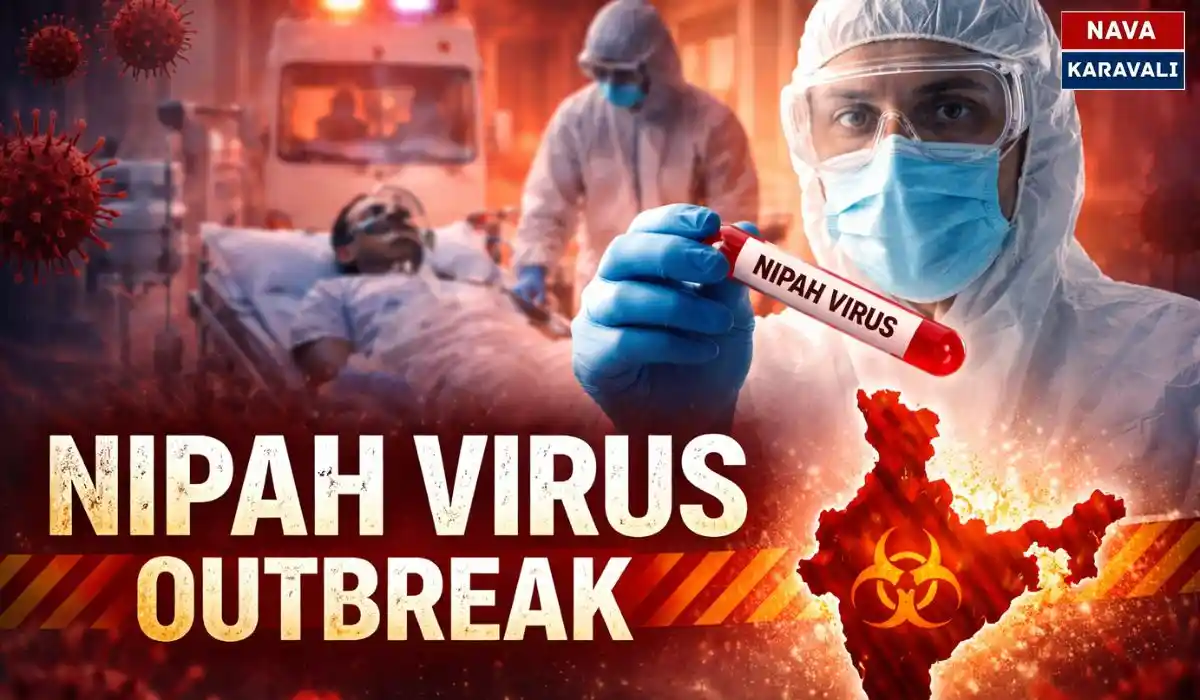
India’s public health system has been placed on high alert following the confirmation of multiple Nipah virus (NiV) cases in West Bengal, a development that has triggered swift containment measures, quarantines, and nationwide surveillance. The outbreak, though limited in scale so far, has raised serious concern due to the virus’s high fatality rate and lack of a specific cure or vaccine.
Confirmed Cases and Quarantine Measures
Health officials have confirmed five Nipah virus infections in West Bengal, including frontline healthcare workers who were exposed while treating an infected patient. Some patients remain in critical condition under intensive care, underscoring the severity of the disease.
As a precautionary step, nearly 100 close contacts have been placed under home or institutional quarantine. Authorities are monitoring them closely for symptoms such as fever, respiratory distress, and neurological complications.
Central and State Governments Step In
The Ministry of Health and Family Welfare has deployed a national outbreak response team to support the West Bengal government. The team includes epidemiologists, virologists, and public-health experts tasked with contact tracing, infection-control audits, and hospital preparedness.
Senior officials have stated that adequate supplies of personal protective equipment (PPE), isolation wards, and laboratory testing facilities are being ensured. Hospitals have been advised to strictly follow infection prevention protocols, particularly in emergency and intensive care units.
What Is Nipah Virus and Why It Is Dangerous
Nipah virus is a zoonotic disease, meaning it can spread from animals to humans. Fruit bats are considered the natural reservoir, with human infections occurring through contaminated food or close contact with infected individuals.
Symptoms often begin with fever, headache, and breathing difficulties, but in severe cases, the virus can cause acute encephalitis (brain inflammation), leading to seizures, coma, or death. Past outbreaks in India have shown fatality rates ranging from 40% to over 70%, making Nipah one of the deadliest viruses known.
No Vaccine, Only Supportive Treatment
Currently, there is no approved antiviral treatment or vaccine for Nipah virus infection. Medical care is largely supportive, focusing on managing symptoms, maintaining oxygen levels, and preventing secondary infections. Early detection and isolation remain the most effective tools to limit fatalities and prevent spread.
Nationwide Surveillance Intensified
Following the West Bengal cases, several states have enhanced surveillance for acute encephalitis syndrome (AES) and severe respiratory illness. Health departments have been instructed to immediately report suspected cases and ensure rapid sample testing.
Animal surveillance teams are also conducting studies among bat populations to identify possible spillover sources, while food safety advisories have been issued in high-risk areas.
Public Advisory: What Citizens Should Do
Health authorities have urged the public to remain calm but vigilant. Citizens are advised to:
- Avoid contact with bats and sick animals
- Not consume raw or partially eaten fruits
- Maintain strict hand hygiene
- Seek immediate medical attention if symptoms develop, especially after known exposure
Officials have emphasized that there is no cause for panic, as the outbreak is currently contained, but community cooperation is essential to prevent further transmission.
Why This Outbreak Matters
The Nipah virus outbreak serves as a reminder of India’s ongoing vulnerability to emerging zoonotic diseases. With increasing human-animal interaction and urban expansion, experts stress the need for sustained investment in disease surveillance, rapid diagnostics, and public health preparedness.
Authorities continue to monitor the situation closely, and further updates are expected as investigations progress.