
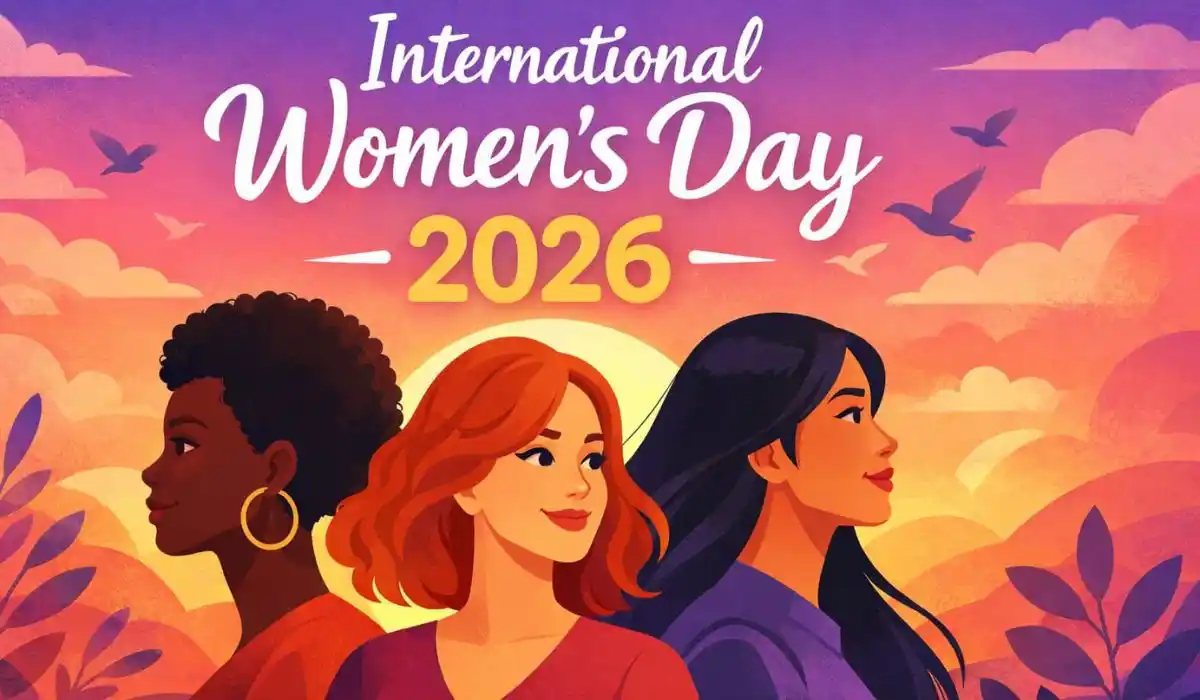
International Women’s Day, observed every year on 8 March, is more than a symbolic celebration—it is a global movement dedicated to recognizing women’s achievements and accelerating gender equality. Across continents, governments, institutions, and communities come together to highlight progress while addressing persistent challenges such as pay gaps, leadership representation, and gender-based violence.
With growing awareness around inclusion and equal opportunities, International Women’s Day 2026 carries renewed importance. From grassroots campaigns in rural communities to policy discussions at global forums, the day serves as a reminder that empowering women strengthens economies, families, and societies at large.
Global Significance of International Women’s Day
International Women’s Day has evolved into a worldwide platform advocating for women’s rights, economic participation, and social inclusion. Recognized officially by the United Nations, the observance highlights annual themes that focus on pressing global issues impacting women and girls.
The day not only celebrates accomplishments in politics, science, education, and sports but also underscores the urgency of eliminating barriers that hinder equal opportunities. It serves as a bridge between celebration and action, encouraging governments and organizations to implement measurable change.
- Promotes gender equality across industries
- Encourages policy reforms and social awareness
- Celebrates women’s leadership globally
Historical Roots and Evolution
The origins of International Women’s Day trace back to early 20th-century labor movements in North America and Europe. Women demanded better working conditions, fair wages, and voting rights, laying the foundation for what would become a global equality movement.
In 1910, German activist Clara Zetkin proposed the concept of a dedicated International Women’s Day during a conference in Copenhagen. By 1977, the United Nations officially recognized 8 March as a day to promote women’s rights and international peace, further solidifying its global relevance.
- Began as a labor rights movement
- Expanded into a worldwide equality campaign
- Officially recognized internationally in 1977
Women’s Leadership and Economic Empowerment
Women’s participation in leadership and economic sectors has significantly increased over the past decades. From corporate boardrooms to political offices, women are reshaping industries and governance systems with innovation and resilience.
In countries like India, initiatives promoting entrepreneurship, digital literacy, and financial inclusion are opening new opportunities for women in urban and rural areas alike. However, bridging the gender pay gap and increasing representation at executive levels remain critical priorities.
- Growing presence in politics and business
- Expansion of women-led startups
- Continued push for equal pay policies
Education, Innovation, and Social Progress
Education remains one of the most powerful tools for empowering women and girls. Access to quality education leads to better employment prospects, improved health outcomes, and stronger communities. Globally, efforts are being intensified to ensure equal educational access regardless of socioeconomic background.
Notable figures such as Malala Yousafzai have amplified the global conversation around girls’ education. Their advocacy highlights the transformative impact of knowledge and equal learning opportunities in building sustainable and progressive societies.
- Increased global focus on girls’ education
- Rise of women innovators in technology
- Stronger community development outcomes
Addressing Challenges and Future Goals
Despite measurable progress, significant challenges remain. Gender-based violence, workplace discrimination, and underrepresentation in STEM fields continue to limit women’s full participation in society. Addressing these issues requires coordinated efforts between governments, corporations, and civil society.
International Women’s Day 2026 emphasizes accountability and action. Sustainable policies, inclusive workplaces, and social awareness campaigns are essential to achieving long-term gender equality and ensuring women’s rights are protected worldwide.
- Strengthening laws against discrimination
- Expanding workplace inclusion policies
- Promoting safety and equal opportunity
Conclusion
International Women’s Day 2026 stands as both a celebration and a commitment. While the world honors the remarkable achievements of women across generations, it must also confront the inequalities that persist. Real progress depends on continuous advocacy, inclusive policymaking, and collective responsibility.
By investing in women’s education, leadership, and economic empowerment, societies unlock innovation and sustainable growth. International Women’s Day reminds us that equality is not just a women’s issue—it is a global priority shaping the future for everyone.