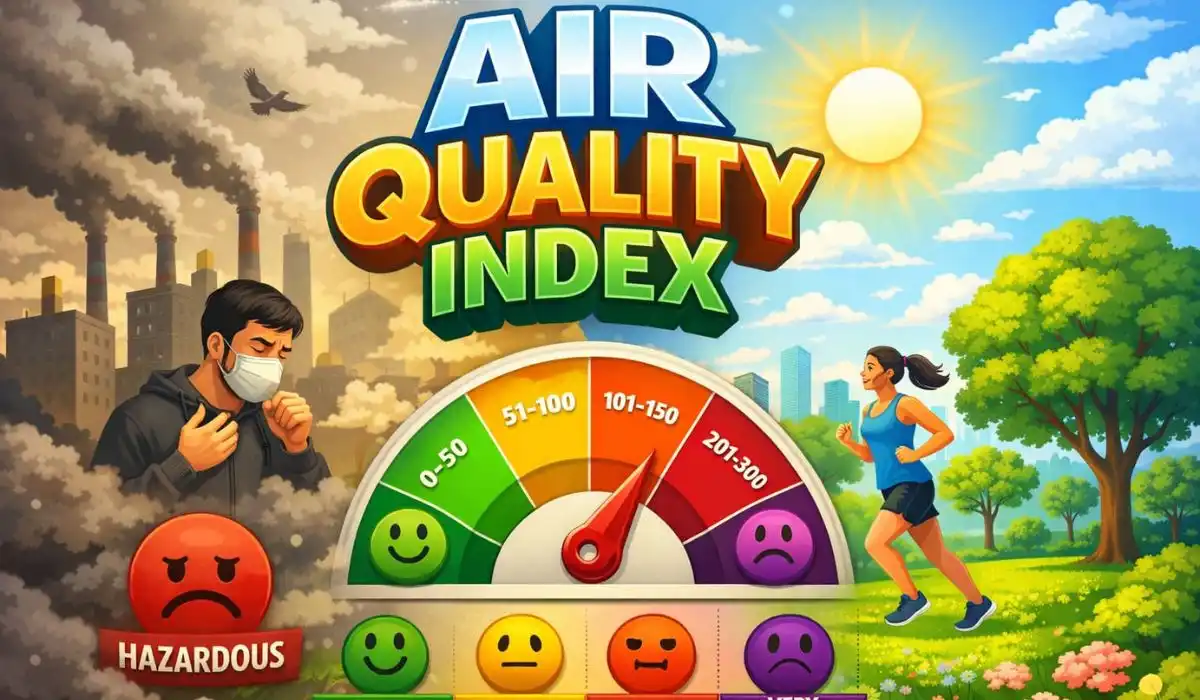
Air pollution has become a daily concern across Indian cities, making the Air Quality Index (AQI) a crucial number people check alongside weather updates. AQI converts complex pollutant data into a simple scale that tells you how safe—or harmful—the air is for breathing. With rising urban traffic, construction dust, and seasonal factors, citizens increasingly rely on official dashboards and apps to plan outdoor activities, protect vulnerable family members, and make informed health decisions in real time.
How Central Pollution Control Board Calculates AQI Across India
India’s AQI system is standardized and monitored by the Central Pollution Control Board (CPCB) through a network of continuous monitoring stations nationwide. The index is calculated based on major pollutants including PM2.5, PM10, NO₂, SO₂, CO, O₃, and NH₃, each of which affects respiratory and cardiovascular health differently. These readings are processed into categories ranging from “Good” to “Severe,” helping the public quickly understand risk levels without needing technical knowledge of pollution chemistry.
Role of System of Air Quality and Weather Forecasting and Research in Forecasting Pollution Trends
The SAFAR program complements real-time AQI data by offering pollution forecasts and early warnings for major cities. By combining weather patterns, emission sources, and atmospheric models, SAFAR predicts how pollution will behave over the next few days. This forecasting helps schools, hospitals, commuters, and city authorities prepare for spikes in pollution, especially during winter smog episodes and festival seasons when air quality can rapidly deteriorate.

Understanding AQI Categories and What They Mean for Your Health
AQI categories are designed to translate numbers into actionable health advice for the public. “Good” and “Satisfactory” levels pose minimal risk, while “Moderate” can affect sensitive groups like children and the elderly. “Poor,” “Very Poor,” and “Severe” categories indicate rising danger, often leading to breathing discomfort, throat irritation, and increased hospital visits. Knowing your city’s AQI helps you decide when to wear masks, avoid outdoor exercise, or use air purifiers indoors.
Why Cities Like Delhi Frequently Report High AQI Levels
Delhi often makes headlines for hazardous AQI levels due to a mix of vehicular emissions, construction dust, industrial activity, and seasonal stubble burning from neighboring regions. Winter temperature inversion traps pollutants close to the ground, worsening smog conditions. Similar patterns are seen in other metros, highlighting how geography, weather, and human activity collectively influence air quality outcomes.
Practical Steps Citizens Can Take When AQI Is High
During high AQI days, simple precautions can significantly reduce health risks. Limiting outdoor exposure, using N95 masks, keeping windows closed during peak pollution hours, and using indoor air purifiers can help. Staying hydrated and monitoring official AQI apps regularly ensures you adapt daily routines based on air conditions. Community awareness and small behavioral changes also contribute to long-term pollution reduction.

Conclusion: Monitoring AQI Is Now a Daily Health Habit
Checking AQI has evolved from an environmental concern into a personal health routine for millions. With reliable data from CPCB and predictive insights from SAFAR, individuals can make smarter lifestyle decisions to minimize pollution exposure. As urbanization grows, awareness of air quality and responsible civic behavior will remain essential for healthier living in Indian cities.