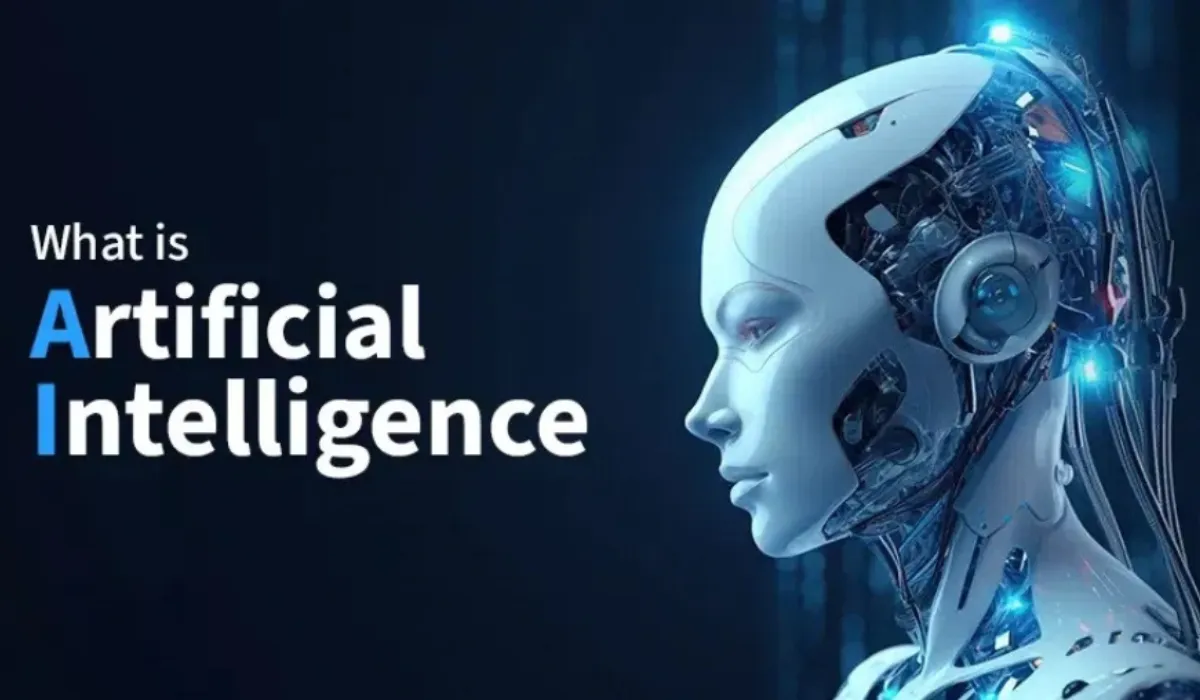
Artificial Intelligence (AI) is no longer an experimental technology limited to research labs. In 2026, AI is rapidly transforming industries, from healthcare and education to banking and manufacturing. Companies across the globe are increasing investments in AI-powered systems to boost productivity and reduce operating costs. Policymakers are now racing to create updated regulations to ensure safe and ethical usage of AI systems.
As AI goes mainstream, experts warn that societies must prepare for deep economic shifts. While AI promises improved efficiency and better services, there are concerns regarding job displacement, data privacy, and misinformation. Citizens, workers, and business owners are seeking reliable guidance to understand how AI adoption will affect them personally.
Artificial Intelligence: Adoption Surges Across Industries
Many industries have reported productivity gains after adopting AI-enabled automation tools. Manufacturing plants are using predictive maintenance algorithms to reduce machine downtime. Banks and fintech companies are increasingly employing AI-based fraud detection systems, which are helping reduce transaction risks for customers.

Small and medium businesses are beginning to embrace AI as well. Business owners say they hope conversational AI assistants will reduce workload and streamline customer support. The accessibility of AI tools has made it easier for entrepreneurs and students to experiment with business models and creative ideas previously requiring large budgets.
AI in India: A Rapid Shift
India is emerging as one of the fastest-growing AI markets in the world, with multiple state governments launching AI innovation hubs. Major IT companies headquartered in Bengaluru, Chennai and Hyderabad are recruiting engineering talent for AI research and development.
Educational institutions are also responding to the shift. Engineering colleges and universities are introducing AI-focused degree programs and industry training. Experts say this could place India among the global leaders in AI research and job creation by 2030.

Global Concerns Around Ethics and Transparency
Governments in Europe, the US, and Asia are developing guidelines to ensure transparency and accountability in AI models. This includes mandatory disclosure when automated systems make critical decisions affecting citizens.
Industry voices argue that regulation must balance innovation with safety. Many researchers worry that excessive restrictions could slow technological progress, while regulators argue unchecked AI could worsen inequality and cybercrime threats.
AI and Healthcare: A Major Technology Turning Point
Hospitals and clinics are increasingly adopting AI-based diagnostic tools that analyze patient scans and clinical histories to assist doctors. While AI cannot replace medical professionals, these systems are improving early detection of diseases such as cancer and heart conditions. Patients are benefiting from faster diagnosis and personalized treatment plans.

However, healthcare experts warn that reliability and bias challenges remain. They stress the importance of training AI models on diverse datasets to avoid errors affecting patient outcomes. Ethics committees are calling for greater transparency in AI medical device approvals.
AI and Jobs: Automation Brings Opportunity and Anxiety
The rapid integration of AI into workplaces has sparked concerns about job security. Some repetitive or routine clerical roles may be replaced by software automation. Workers fear income instability and are demanding clear guidelines and retraining programs.
Economists argue that AI will also create new opportunities in data science, cybersecurity, robotics engineering and creative sectors. Companies have started offering upskilling programs to help employees transition into emerging AI-related roles. Experts recommend workers stay adaptable and learn new digital skills proactively.
AI in Daily Consumer Life: Growing (Unseen) Dependence
From personalized shopping recommendations to smart home assistants, AI quietly powers many everyday services. People increasingly rely on navigation AI, voice commands, online chatbots, and predictive text, often without realizing how deeply integrated AI already is.
Researchers say this rapid adoption makes AI literacy critical. Citizens must understand both benefits and risks, including data collection and privacy concerns. Technology educators urge governments to include AI awareness programs in school curricula to prepare younger generations.
Cybersecurity Risks Rise With AI Adoption
AI systems are becoming powerful tools for cyber defenders and attackers alike. Security companies are enhancing threat prediction capabilities, using AI to detect malware and phishing attempts before they spread widely.
At the same time, cybercriminals are using AI-generated deepfakes, automated hacking tools, and synthetic identities to conduct financial fraud. Experts warn that cybersecurity strategies must evolve to counter AI-enabled threats. Businesses and individuals should adopt stronger online safety practices to stay protected.
FAQs – Artificial Intelligence in 2026
Q1: Will AI take away human jobs completely?
AI will transform jobs, but experts believe it will mostly replace repetitive tasks and create new skilled opportunities rather than eliminate all employment. Workers may need to learn new digital skills.
Q2: Is AI safe to use?
AI can be safe when developed ethically and monitored properly. Risks arise when systems are misused or poorly trained. Governments are working on stronger regulation.
Q3: How is AI used in daily life?
AI powers voice assistants, personalized ads, search suggestions, fraud detection, medical imaging, and smart devices found in homes and workplaces.
Q4: Can artificial intelligence think like humans?
AI can imitate reasoning patterns but lacks consciousness, emotions, or self-awareness. Its responses come from mathematical models and data analysis.