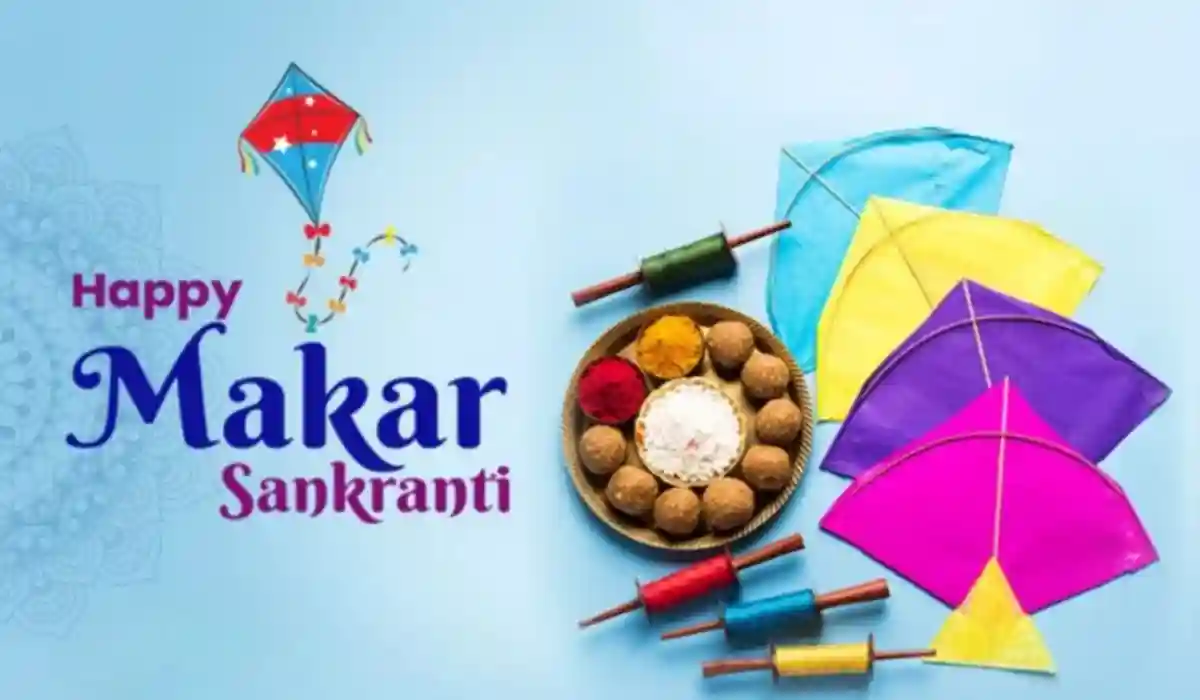
Hello and a very warm Happy Makar Sankranti 2026 to all! 🌞✨
As the sun begins its northward journey, this special day invites us to pause, celebrate, and enjoy the simple joys of life. From flying colorful kites to sharing delicious sweets with loved ones, Makar Sankranti is a festival that unites families, friends, and communities across India. Whether you are outdoors enjoying the winter sun or savoring traditional treats at home, this festival reminds us of gratitude, positivity, and new beginnings. Let’s explore why this vibrant festival continues to hold meaning even in today’s fast-paced world.
Makar Sankranti is more than just a date on the calendar. It is a festival that quietly connects India’s ancient wisdom with modern life. Celebrated as the Sun’s transition into the zodiac sign Capricorn, Makar Sankranti 2026 arrives with renewed relevance, reminding people about balance, gratitude, and hope at the start of a new phase.
In today’s fast-moving world, festivals like Makar Sankranti offer a rare pause. They invite families to come together, follow age-old customs, and reflect on how nature, food, and faith continue to shape daily life. This festival is deeply rooted in agriculture, astronomy, and community values, making it timeless and meaningful even today.

The Astronomical Meaning Behind Makar Sankranti

Makar Sankranti marks the moment when the Sun begins its northward journey, known as Uttarayan. According to traditional belief, this transition brings longer days, increased warmth, and positive energy. It symbolizes a shift from darkness to light, both in nature and in human thought.
Unlike many Indian festivals that follow the lunar calendar, Makar Sankranti is based on the solar cycle. This scientific alignment makes it unique and consistent each year, usually observed on January 14. The festival reflects ancient India’s deep understanding of astronomy and its impact on agriculture and daily living.
Spiritual Significance That Transcends Generations
From a spiritual perspective, Makar Sankranti is considered highly auspicious. Many believe that acts of charity, prayer, and self-discipline performed on this day bring long-lasting benefits. Holy dips in rivers and offerings to deities are seen as ways to cleanse the body and mind.

The festival also encourages inner transformation. It is a reminder to let go of negativity and move toward clarity, discipline, and purpose. In a modern context, this message resonates strongly with people seeking peace and balance in busy, digitally driven lifestyles.
Regional Traditions That Celebrate Unity in Diversity
Across India, Makar Sankranti is celebrated under different names, each reflecting local culture while sharing the same spirit. From Pongal in Tamil Nadu to Lohri in Punjab and Uttarayan in Gujarat, the festival beautifully showcases India’s diversity.
Despite regional variations, common elements bind these celebrations together. Harvest gratitude, special foods, music, and community gatherings remain central everywhere. This shared cultural thread reinforces unity and mutual respect among communities, making the festival socially significant even today.

Traditional Foods That Carry Cultural Wisdom
Food plays a central role in Makar Sankranti celebrations. Seasonal ingredients like sesame seeds and jaggery are widely used, not just for taste but for health benefits. These foods help the body adjust to winter conditions and strengthen immunity.
Popular dishes include tilgul laddoos, pongal, chikki, and various sweet preparations made in homes. Beyond nutrition, sharing these foods symbolizes warmth, harmony, and kindness. The simple act of offering sweets reflects the festival’s message of sweetening relationships.
Popular Customs and Rituals Observed Today
Makar Sankranti rituals have evolved, yet their essence remains unchanged. Families begin the day with prayers, cleaning homes, and wearing traditional clothes. Kite flying has become one of the most joyful expressions of the festival, especially in western India.
Key practices commonly followed include:
- Donating food, clothes, and essentials to the needy
- Preparing traditional sweets and sharing them with neighbors
- Offering prayers to the Sun God for health and prosperity
These customs blend joy with responsibility, making the festival relevant to modern social values.
Why Kite Flying Holds a Deeper Meaning
Kite flying is often seen as just a fun activity, but it carries symbolic meaning. As kites rise high into the sky, they represent freedom, ambition, and the human desire to grow beyond limitations. It also marks the joy of seasonal change and longer daylight hours.
From a health perspective, early morning sunlight during kite flying provides natural Vitamin D. Socially, rooftops turn into shared spaces where families and communities interact, strengthening bonds in an era where real connections are becoming rare.
The Modern Relevance of Makar Sankranti in 2026
In 2026, Makar Sankranti holds renewed importance as people increasingly seek meaning beyond routine life. The festival promotes sustainable living by respecting nature, seasonal eating, and mindful consumption. These values align closely with today’s environmental awareness.
The festival also encourages mental well-being. Its focus on gratitude, charity, and togetherness offers emotional balance in stressful times. For younger generations, it serves as a bridge connecting cultural roots with contemporary lifestyles.
Social and Cultural Lessons the Festival Teaches
Makar Sankranti quietly teaches powerful life lessons. It emphasizes sharing over storing, gratitude over entitlement, and harmony over conflict. The tradition of exchanging sweets symbolizes speaking kindly and maintaining positive relationships.
Important values reinforced through the festival include:
- Respect for farmers and food providers
- Importance of community support and charity
- Balance between tradition and modern living
These lessons make the festival socially relevant across generations.
Conclusion: Why Makar Sankranti Still Matters
Makar Sankranti 2026 is not just a celebration of the Sun’s movement; it is a celebration of life’s forward journey. It reminds people to align with nature, honor traditions, and embrace positive change with humility and hope.
In a rapidly changing world, the festival’s simple yet powerful messages continue to inspire. By celebrating Makar Sankranti with awareness and warmth, individuals keep alive a tradition that nourishes the body, mind, and soul—proving that some festivals never lose their relevance.
As we celebrate Makar Sankranti 2026, it’s more than just rituals and sweets—it’s a chance to reflect, connect, and spread joy. From appreciating the hard work of farmers to cherishing moments with family and friends, the festival teaches us timeless values of gratitude, generosity, and harmony. Let this Sankranti inspire you to embrace positivity, share happiness, and start the year on a bright, uplifting note. May your days ahead rise high, just like the colorful kites soaring in the winter sky!