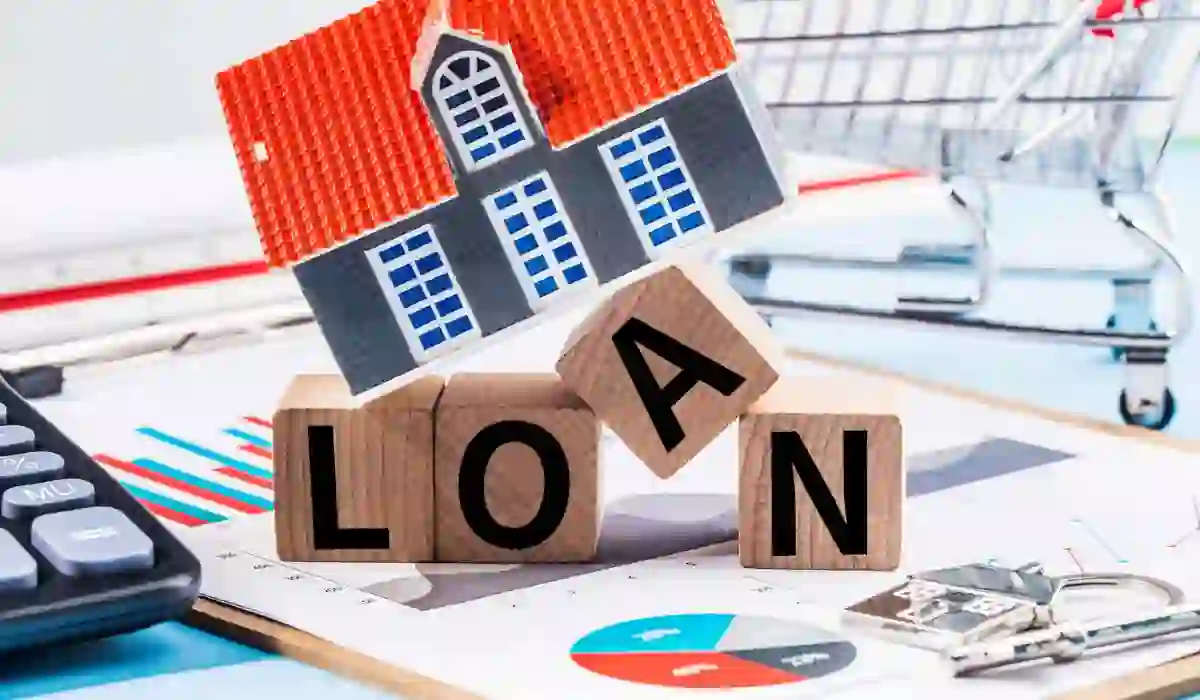
The landscape of personal loans in 2025 is undergoing a significant transformation, driven by rising consumer demands for clarity, fair pricing, and ethical digital lending practices. With millions of borrowers depending on short-term financing for emergencies, weddings, education, and business needs, the government and regulators are now focusing on stricter guidelines. These new rules emphasize transparency, helping borrowers identify hidden charges and reducing instances of predatory lending.
As digital lending platforms expand rapidly, concerns over misleading advertisements, unauthorized loan apps, and aggressive collection tactics have reached an all-time high. The updated norms ensure that lenders clearly disclose annual percentage rates (APR), processing fees, and repayment schedules. This shift is expected to empower borrowers and encourage responsible borrowing across the country.
Focus on Borrower Protection and Fair Practices
The upcoming rules put borrower protection at the forefront, mandating that every lender—bank or fintech—provides a detailed loan disclosure sheet before approval. This includes key elements such as total repayment amount, late fees, credit bureau reporting terms, and foreclosure charges. By standardizing how information is presented, authorities are eliminating the possibility of lenders hiding fees in fine print.
The emphasis on ethical collection practices is another major change. Borrowers can now expect protection against harassment, misuse of personal data, and unregulated recovery agents. This will ensure that loan repayment remains structured and compliant with guidelines, reducing stress and fear among consumers who previously faced intimidation from unauthorized agents.
Digital Lending Platforms to Operate Under Tighter Oversight
Digital loan apps have revolutionized access to credit, but the speed of transactions has often overshadowed the need for proper verification. Under the 2025 norms, every licensed lending platform must display its regulator-approved registration number, ensuring users can instantly verify the legitimacy of the app. This measure aims to curb fraudulent platforms that lure consumers into debt traps.
Further, digital lenders are now required to provide complete clarity on data usage, allowing borrowers to know how their contact lists, device data, or payment history will be handled. By prioritizing data privacy, authorities are restoring trust in online lending and reducing exploitation of personal information.

Easier Access to Loan Comparison and Fee Breakdown
One of the most notable updates is the requirement for lenders to enable users to compare interest rates, processing charges, insurance add-ons, and prepayment costs across competing lenders. This empowers borrowers to make informed decisions by evaluating their options based on transparent financial metrics rather than marketing claims.
Moreover, the redesigned disclosure framework highlights the effective cost of borrowing, helping applicants understand the real burden beyond the nominal interest rate. This will drastically minimize situations where consumers unknowingly pay high fees disguised as convenience charges or verification costs.
Key Highlights of Personal Loan Rules 2025
| Feature | New Requirement |
|---|---|
| Transparency | Mandatory disclosure sheet with complete fee structure |
| Data Protection | Strict limits on data access and usage by digital lenders |
| Fair Collection | Ban on harassment and unlawful recovery practices |
| Rate Comparison | Borrowers can compare charges and APR before applying |
| Loan App Legitimacy | Mandatory regulator registration display on loan apps |
| Borrower Rights | Clear communication on terms, penalties, and repayment |
Interest Rate Policies to Become More Borrower-Friendly
The updated policy framework pushes lenders to shift from complicated interest structures to simpler, borrower-friendly formats. By emphasizing reducing balance interest systems, regulators aim to minimize borrower confusion and ensure the repayment pattern is easy to understand. This will help consumers clearly see the impact of timely EMI payments on the principal amount.

Additionally, authorities are encouraging lenders to offer more stable fixed-rate loan options for small-ticket borrowers. These fixed rates protect borrowers from unexpected hikes and ensure predictable repayment schedules—a key advantage for individuals relying on salaried incomes or newly established businesses.
Stricter Rules on Hidden Charges and Add-On Products
Many borrowers have previously been charged for compulsory insurance packages or bundled services without their consent. The new rules explicitly prohibit lenders from imposing mandatory add-on products. Instead, all additional offerings—such as credit insurance or card upgrades—must be optional and supported by clear justification on how they benefit the borrower.
Hidden charges such as documentation fees, SMS charges, and account maintenance fees must now be fully disclosed upfront. These changes help eliminate unexplained deductions and protect borrowers from unexpected financial burdens after loan disbursement.
Improved Grievance Redressal Mechanism
Borrowers often struggle to resolve disputes with lenders, especially when dealing with fintech apps that lack transparent customer support. Under the 2025 rules, every lender must maintain a dedicated and responsive grievance redressal portal. Complaints must be addressed within a fixed timeline, and unresolved cases can be escalated through a standardized regulatory route.
This improved mechanism ensures accountability and encourages lenders to manage customer issues more responsibly. Borrowers now have clearly defined rights, including the ability to challenge incorrect EMI calculations, wrongful penalties, or technical errors during repayment.
Mandatory Cooling-Off Period for Borrowers
A major consumer-friendly addition is the introduction of a cooling-off period, during which borrowers can cancel the loan without facing penalties. This allows individuals to reconsider their decision, compare alternatives, or correct accidental approvals caused by quick digital processes.
This buffer period also addresses the rising trend of impulsive borrowing triggered by push notifications and instant-approval advertisements. By adding this safeguard, authorities are promoting financial discipline and reducing regretful borrowing decisions.
Support for First-Time and Low-Income Borrowers
The new rules encourage lenders to offer specialized products for first-time credit users, helping them build a credit history without falling into financial stress. Lenders must create products with manageable EMIs, simplified approval processes, and minimal documentation to support financially weaker sections.
This focus on inclusivity ensures that the credit market becomes more accessible while maintaining responsible lending norms. Borrowers from rural regions and small towns will particularly benefit, as formal loans become safer and easier to understand.
Encouraging Financial Literacy and Responsible Borrowing
To strengthen long-term borrower confidence, authorities are also promoting financial education through digital information modules. Lenders must provide simple guides explaining EMI calculations, the meaning of APR, and the financial impact of late payments. This ensures that borrowers fully understand the commitments they are entering into.
The promotion of financial literacy lays the foundation for a healthier credit ecosystem where borrowers avoid excessive borrowing and lenders focus on sustainable credit growth. This aligns with the government’s broader vision of building a transparent and financially aware economy.
FAQs
1. What are the major changes in the Personal Loan Rules 2025?
The main changes include mandatory transparency in loan charges, stricter data protection norms, regulated recovery practices, and compulsory display of lender registration on loan apps. Borrowers will also receive a detailed disclosure sheet before approval.
2. How do the new rules protect borrowers from hidden charges?
Lenders must now reveal every fee—including processing charges, documentation costs, and penalties—before the loan is approved. Hidden or mandatory add-on products are no longer allowed.
3. Are digital loan apps also covered under these guidelines?
Yes. Digital lenders must display their regulator registration number, follow ethical data practices, avoid harassment, and provide complete clarity on terms and charges.
4. What is the cooling-off period introduced in the 2025 rules?
The cooling-off period allows borrowers to cancel their loan shortly after approval without penalty. This gives time to rethink the decision or explore better loan options.