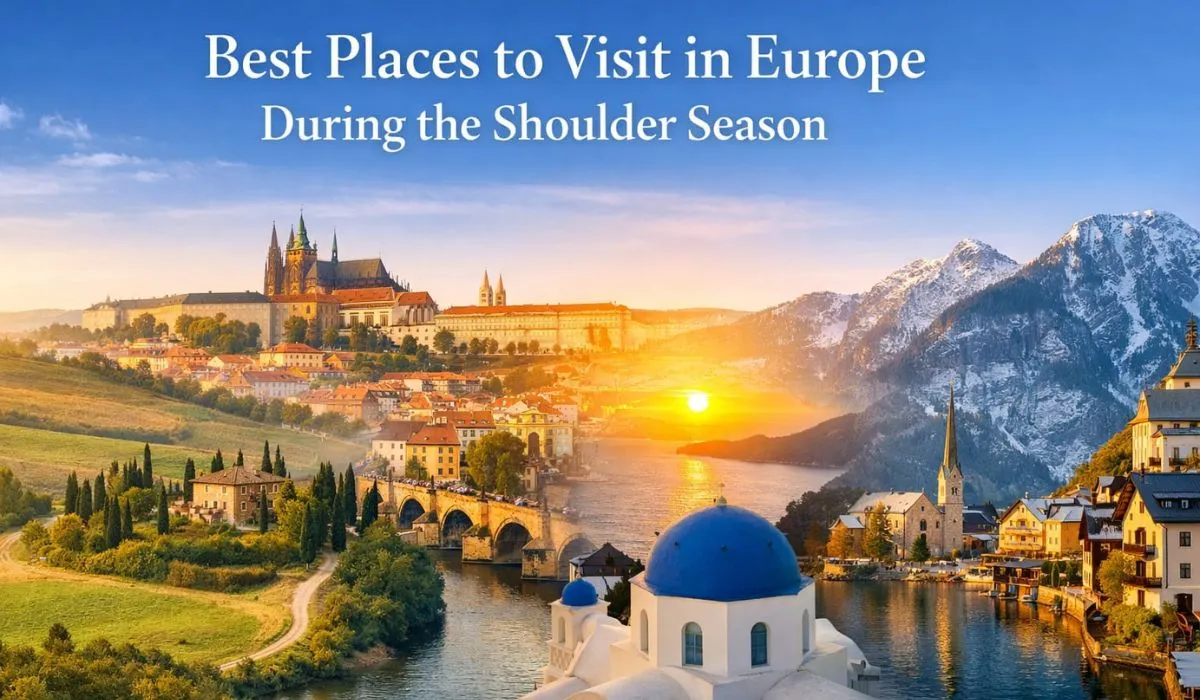
The magic of Europe truly reveals itself when the peak summer rush fades. Visiting during the “shoulder season” offers a golden opportunity to see the world’s most famous sites with breathing room. Whether you are seeking Mediterranean sun or Alpine gold, these destinations provide the best value and experience for travelers.
Top Coastal and Mediterranean Destinations
| Destination | Best Month | Key Benefit |
| Dubrovnik, Croatia | Sept – Oct | Warm Adriatic waters; no cruise ship crowds. |
| Seville, Spain | April – May | Famous orange blossoms and manageable heat. |
| Ksamil, Albania | September | Crystal clear coves at a fraction of Italian prices. |
Dubrovnik is a standout choice in early autumn. While July sees the marble streets of the Old Town packed with tourists, October offers a serene seaside retreat. You can walk the ancient city walls comfortably in 24°C (75°F) weather and enjoy the Good Food Festival, which celebrates regional Balkan flavors.
Seville is often too scorching in July, but the spring shoulder season is spectacular. This is the time of the Feria de Abril, where the city comes alive with flamenco and traditional tents. The scent of jasmine and orange blossoms fills the air, making it the most sensory-rich time to visit Southern Spain.

Cultural Hubs and Historical Cities
| City | Iconic Experience | Shoulder Season Perk |
| Budapest, Hungary | Thermal Baths | Crisp air makes the hot springs feel amazing. |
| Rome, Italy | The Colosseum | Drastically shorter wait times for entry. |
| Prague, Czechia | Charles Bridge | Spring blooms in Petřín Hill are stunning. |
Budapest becomes incredibly atmospheric in the autumn. As the Danube glows at sunset, the city’s wine festivals begin. It is the perfect time to explore the Fisherman’s Bastion or hike to Buda Castle without the physical toll of a summer heatwave.
Rome is a perennial favorite, but the “Eternal City” is best enjoyed in May or September. The evening dining scene is at its peak, with locals reclaimed the piazzas. You can enjoy a plate of Cacio e Pepe outdoors under a mild sky rather than ducking into air conditioning to escape 40°C temperatures.
Nature and Scenic Landscapes
For those who prefer mountains and lakes over city streets, the shoulder season provides a unique color palette that summer simply cannot match.

| Region | Peak Feature | Activities |
| The Dolomites, Italy | Golden Larch Trees | High-altitude photography and hiking. |
| Lake Bled, Slovenia | Emerald Waters | Rowing to the island and cycling. |
| Amsterdam, Netherlands | Tulip Fields | Cycling through the Keukenhof gardens. |
The Dolomites in Northern Italy are a photographer’s dream in late October. This is the season of “Törggelen,” a tradition where alpine villages celebrate the grape harvest with roasted chestnuts and new wine. The contrast of the white limestone peaks against the golden forests is world-class.
Lake Bled offers a fairytale setting in the spring. With the Julian Alps still wearing their snow caps, the emerald-green lake looks more vibrant than ever. It is an ideal time for active travelers who want to hike to the Ojstrica viewpoint without the humidity of August.

Why Choose the Shoulder Season?
- Economic Value: Flights and hotels typically drop by 20% to 40% compared to July and August.
- Photography: The soft light of spring and autumn is far superior to the harsh midday sun of summer for capturing travel memories.
- Local Interaction: With fewer tourists, locals in hospitality and shops are generally more relaxed and open to conversation, leading to more authentic cultural exchanges.
- Comfort: Sightseeing is a physical activity. Walking 15,000 steps a day is much more enjoyable in 18°C than in 35°C.
Selecting the shoulder season for your European adventure ensures a high-quality experience that balances cost and comfort. By timing your visit to these iconic spots just right, you avoid the stress of overcrowding and see these historic landscapes in their most beautiful, natural light. Happy and safe travels!