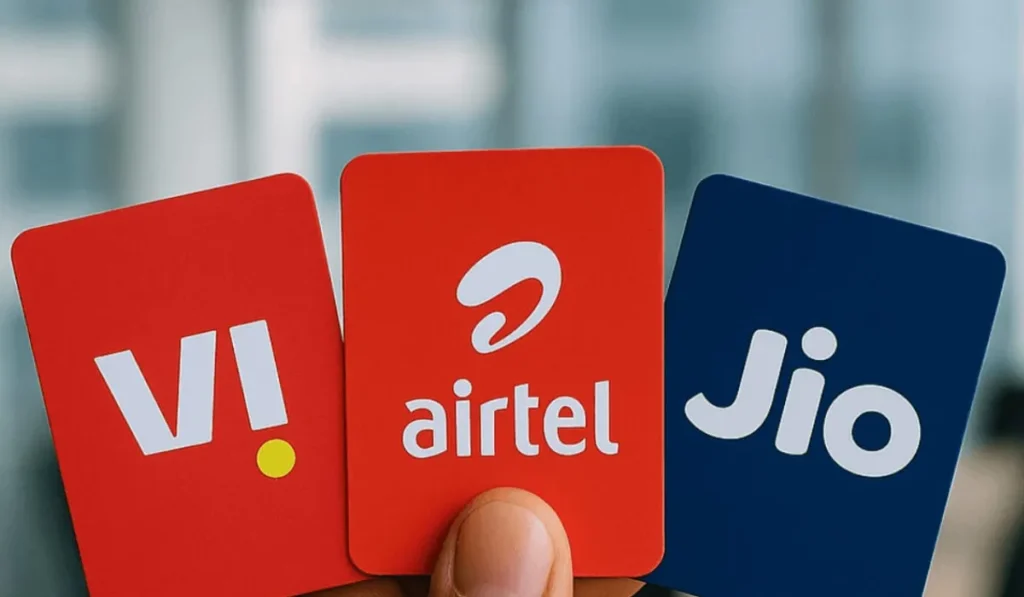
In 2026, Vodafone Idea (Vi) has taken a step that no other private telecom operator in India has dared to take so far. The company is now charging users Rs 45 for missed call alerts for six months, instantly making it the only private telco to monetize a feature most customers consider basic.
What’s drawing attention is not just the price, but the timing. At a moment when telecom users are hyper-aware of hidden costs and value-for-money plans, this move has quietly triggered debates across online forums, WhatsApp groups, and social media timelines.
Why Missed Call Alerts Still Matter in 2026
Despite advanced smartphones and messaging apps, missed call alerts remain a critical service, especially in India. Users depend on these alerts when phones are switched off, out of network coverage, or during travel and work hours.

For students, working professionals, and users in low-signal areas, missing an important call without an alert can mean lost opportunities. That’s why many users feel charging for such a feature crosses an unspoken line between premium services and essentials.
What Vi Is Offering for Rs 45
Vi’s missed call alert service sends an SMS notification listing incoming calls received while the phone was unreachable. The Rs 45 plan is valid for six months, translating to roughly Rs 7.50 per month.
While the pricing itself may not seem steep, users argue that the value proposition weakens when competitors continue offering the same service at no extra cost, without any activation or renewal hassle.

How Other Private Telcos Are Handling This Feature
Here’s where Vi’s decision becomes more noticeable. Other major private telecom operators automatically provide missed call alerts as a standard network feature, bundled seamlessly with prepaid and postpaid plans.
This contrast has made Vi stand out — and not necessarily in a positive way. Many users now see missed call alerts as a benchmark feature, and any additional charge raises red flags during plan comparisons.
| Feature | Vodafone Idea (Vi) | Other Private Telcos |
|---|---|---|
| Missed Call Alerts | Paid | Free |
| Cost | Rs 45 / 6 months | No charge |
| Auto-enabled | No | Yes |
| Renewal Required | Yes | No |
| User Control | Manual activation | Automatic |
| Network-based Alerts | Yes | Yes |
| Additional Apps Needed | No | No |
The Business Logic Behind Vi’s Decision
From an industry perspective, Vi has been navigating financial stress for years. Monetizing add-on services like missed call alerts may appear minor, but when scaled across millions of users, it can generate steady revenue.

However, telecom analysts caution that such micro-charges can hurt long-term brand perception. In a market where number portability is easy, customer irritation often outweighs short-term revenue gains.
Real Impact on Vi Users
For everyday users, the impact is practical and immediate. Those who don’t opt for the paid service simply won’t know who tried to call them during downtime. Many users say they only realized the charge after the alerts stopped appearing.
This has fueled concerns around transparency and communication. Users want clearer prompts and upfront disclosures, rather than discovering missing features after the fact.
Can Vi Users Avoid Paying for Missed Call Alerts?
As of 2026, Vi does not offer a free alternative. Users can choose not to subscribe, but that means losing network-based missed call notifications altogether.
Some users turn to third-party apps, but these rely heavily on mobile data, permissions, and background activity—making them unreliable compared to operator-level alerts.
Social Media Reacts to Vi’s Move
Online reactions are divided. Some users feel Rs 45 is negligible, while others argue it’s not about the money but the principle. The phrase “charging for basics” has surfaced repeatedly in user discussions.
What Industry Experts Are Saying
Telecom experts believe this move could backfire if Vi doesn’t offset it with better plan benefits or network improvements. In today’s market, perceived fairness matters as much as pricing.
Pros & Cons of Vi Charging for Missed Call Alerts (2026)
Pros
- Reliable network-based alerts: Once subscribed, Vi’s missed call alerts work even without mobile data, making them dependable in low-network or offline situations.
- Affordable on paper: At Rs 45 for six months, the cost breaks down to a small monthly amount, which some users may find reasonable.
- Optional service: Users are not forced to pay; those who don’t need missed call alerts can choose not to activate the feature.
- Direct operator support: Since it’s a telecom-level service, users get official support instead of relying on third-party apps.
- Controlled usage: Subscribers can activate or deactivate the service as needed, giving a level of control.
Cons
- Only private telco charging for it: Vi stands alone in monetizing a feature that other private operators still offer for free.
- Perceived as a basic feature: Many users consider missed call alerts essential, not a premium add-on, making the charge feel unfair.
- Negative impact on brand trust: Even a small fee can create dissatisfaction when competitors include the service automatically.
- Lack of free alternative: Users who don’t subscribe simply lose missed call notifications altogether.
- Transparency concerns: Some users report learning about the charge only after alerts stopped working.
- Risk of user churn: In a highly competitive market, small irritants can push users toward switching networks.
Final Thought
Vi charging for missed call alerts in 2026 may look like a small change, but it reflects a bigger shift in how everyday telecom services are being priced. For users, it’s a reminder that even basic features are no longer guaranteed to be free and that checking the fine print matters more than ever. For Vi, the challenge isn’t the Rs 45 fee itself—it’s whether customers feel the overall service still offers fair value compared to rivals.
In a market where choices are plenty and switching is easy, trust and transparency often matter more than minor charges. How Vi balances revenue needs with customer expectations will ultimately decide whether this move becomes a passing detail—or a turning point for user loyalty.
FAQs
1. Is Vi really charging for missed call alerts in 2026?
Yes. Vi charges Rs 45 for six months for its missed call alert service, making it the only private telco to do so.
2. Do Airtel or Jio charge for this service?
No. Other private telecom operators continue to offer missed call alerts free of charge.
3. Is the missed call alert service mandatory on Vi?
No. It’s optional, but users who don’t subscribe will not receive missed call notifications.
4. Why has this decision upset users?
Because missed call alerts are widely considered a basic telecom feature, not a premium add-on.
5. Are there reliable alternatives?
Third-party apps exist, but they are less dependable than network-based alerts and require internet access.