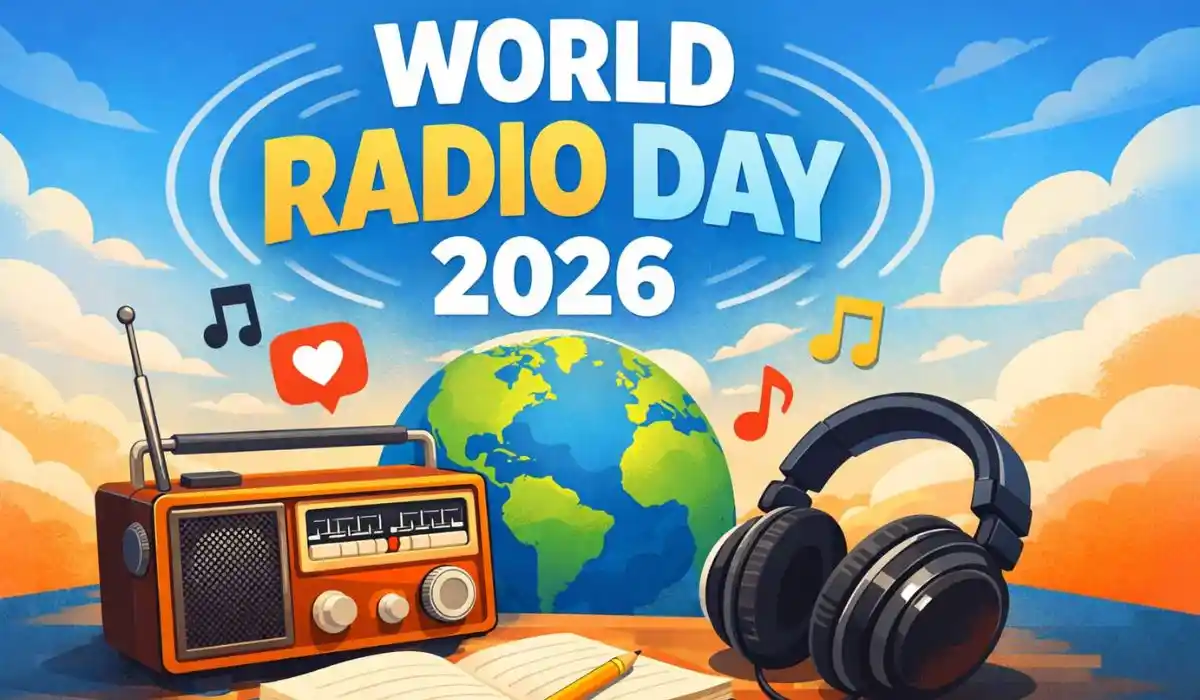
World Radio Day, observed every year on 13 February, continues to highlight the unmatched reach and credibility of radio in an increasingly digital world. While social media platforms dominate daily communication, radio remains one of the most trusted and accessible sources of information, especially in rural and remote communities. From emergency updates to educational programming, radio plays a critical role in strengthening democratic values and community engagement.
The day was proclaimed by UNESCO and later endorsed by the United Nations General Assembly, marking the anniversary of United Nations Radio established in 1946. In 2026, the celebration reinforces the importance of reliable information, media diversity, and inclusive communication for global development.
The Historical Evolution of Radio Broadcasting
Radio broadcasting began as a revolutionary invention that transformed communication in the early 20th century. Over the decades, it evolved from analog transmission to FM clarity and now to digital streaming, yet its core mission remains unchanged — informing, educating, and entertaining audiences across generations.

In India, All India Radio (Akashvani) became a powerful voice of the nation, shaping public awareness and cultural unity. Even in 2026, AIR and private FM stations continue to reach millions daily, proving that radio adapts while maintaining credibility.
- Radio connects urban and rural populations equally
- It preserves cultural heritage through music and storytelling
- It provides affordable access to verified information
Radio as a Trusted Source in Crisis and Emergencies
In times of natural disasters, pandemics, or public emergencies, radio has consistently served as a reliable lifeline. Unlike internet-based platforms that may fail due to connectivity issues, radio transmission remains stable and accessible even during infrastructure breakdowns.
From cyclone alerts in coastal India to public health campaigns in remote villages, radio ensures timely dissemination of official information. Governments and disaster management authorities still rely heavily on radio broadcasting to prevent misinformation and panic.

- Delivers real-time disaster warnings
- Reduces misinformation during crises
- Reaches communities without internet access
The Digital Transformation of Modern Radio
Contrary to the belief that radio is outdated, the industry has successfully embraced digital innovation. Today’s radio stations stream live online, produce podcasts, and engage audiences through social media platforms, blending traditional broadcasting with modern technology.
Digital radio and mobile applications have expanded listener demographics, especially among youth audiences. This transformation demonstrates that radio is not competing with digital media — it is integrating with it to remain relevant and influential in 2026.
- Integration with podcasts and streaming apps
- Increased youth engagement through digital platforms
- Enhanced sound quality with digital broadcasting
Community Radio and Grassroots Empowerment
Community radio stations have become powerful tools for grassroots development. They provide localized content in regional languages, focusing on agriculture, education, women’s empowerment, and public health awareness.

In India and many developing nations, community radio bridges information gaps where mainstream media rarely reaches. These stations empower local voices, encourage citizen participation, and strengthen democratic dialogue at the grassroots level.
- Promotes local language communication
- Encourages citizen journalism
- Supports social and economic development
Conclusion:
World Radio Day 2026 reminds us that radio is more than a communication tool — it is a trusted companion that transcends technological change. Its ability to reach the unreached, inform during crises, and adapt to digital transformation ensures its relevance in today’s fast-moving media landscape.
As the world navigates misinformation challenges and digital overload, radio stands as a symbol of credibility, accessibility, and community connection. Celebrating World Radio Day is not just about honoring history; it is about recognizing a future where radio continues to inspire, educate, and unite societies worldwide.