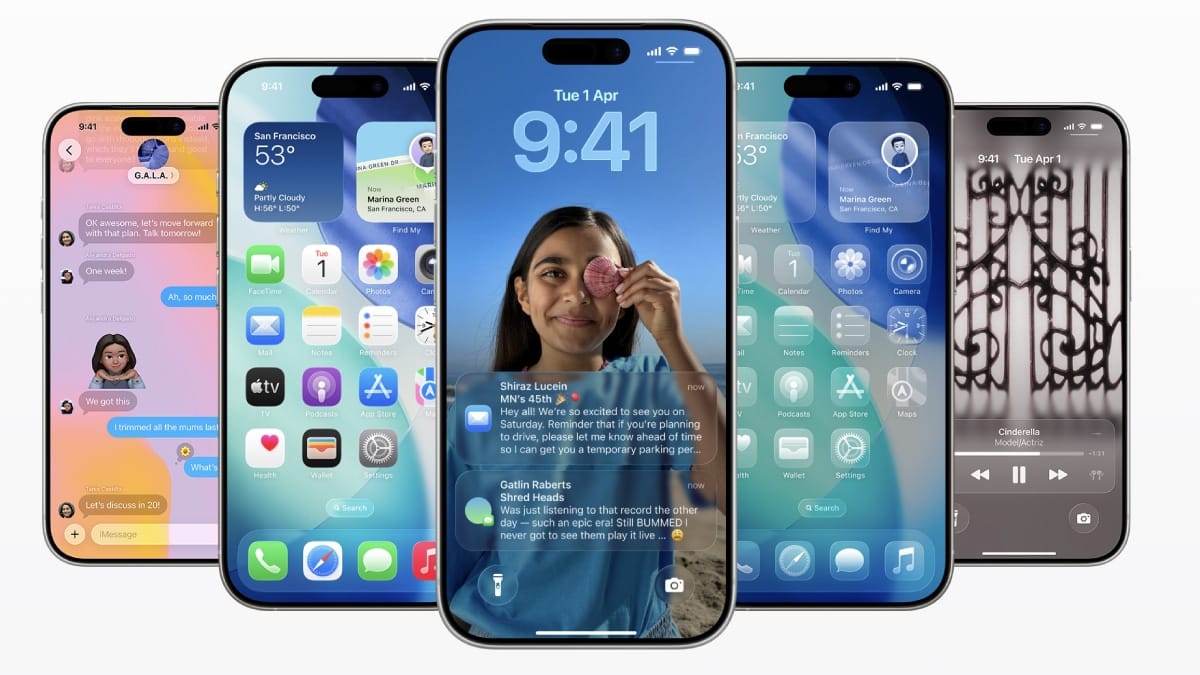
Apple is ready to redefine your smartphone experience once again with the highly anticipated iOS 27. Building on the visual “Liquid Glass” foundation of its predecessor, this update focuses on raw performance and next-generation AI. Whether you’re an iPhone veteran or a tech enthusiast, here is everything you need to know.
📅 The iOS 27 Roadmap: When to Expect It
Apple maintains a surgical precision with its software release cycles. iOS 27 will follow the traditional path from developer testing to a worldwide public rollout. Historically, the software is unveiled alongside new hardware, creating a unified ecosystem launch every autumn.
| Stage | Expected Timeline | Target Audience |
| Official Announcement | June 2026 (WWDC) | Developers & Media |
| Developer Beta | June 2026 | App Creators |
| Public Beta | July 2026 | Early Adopters |
| Full Public Release | September 2026 | General Public |
✨ Headline Features: Siri 2.0 and “Project Campos”
The centerpiece of iOS 27 is undoubtedly the evolution of Siri. Internal rumors suggest “Project Campos” will transform the virtual assistant into a proactive AI partner. Unlike the current iteration, this new Siri will possess “Onscreen Awareness,” allowing it to interact with the apps you are currently using without needing manual input.
Key AI Enhancements
- Multi-Turn Conversations: You can ask follow-up questions without repeating context.
- Visual Intelligence: Siri can “see” a photo or document on your screen and summarize or send it instantly.
- Fluid UI: The interface is moving away from a static icon to a dynamic, animated overlay that feels integrated into the glass.
🛠️ The “Snow Leopard” Philosophy: Optimization First
After the massive UI changes seen in iOS 26, Apple is reportedly taking a “Snow Leopard” approach for 2026. This means the focus is on under-the-hood stability rather than just flashy new buttons. The goal is to make the iPhone feel faster, more responsive, and more reliable than ever before.

Performance & Efficiency Targets
| Focus Area | Expected Improvement |
| Battery Life | Enhanced background task management for 10% better efficiency. |
| App Launching | Refined caching for near-instant app opening on A16 chips and above. |
| System Stability | Comprehensive “bug-squashing” campaign to reduce UI stutter. |
| Satellite Connectivity | Maps and Media sharing via satellite in remote areas. |
📱 Compatibility: Is Your iPhone Eligible?
As software becomes more demanding, older hardware eventually hits a ceiling. iOS 27 is expected to drop support for the A13 Bionic chip. Devices like the iPhone 11 and the 2020 iPhone SE are likely reaching the end of their software lifecycle this year.
Supported Devices List
- Upcoming: iPhone 18 Series (Native)
- Premium: iPhone 17, 16, and 15 Series (Full AI Support)
- Standard: iPhone 14 and 13 Series
- Legacy: iPhone 12 Series & iPhone SE (3rd Gen)
Devices Reaching End-of-Life (EOL)
- iPhone 11
- iPhone 11 Pro / Max
- iPhone SE (2nd Gen, 2020)
📂 The Foldable Future: iPhone Fold Support
Perhaps the most exciting rumor is the inclusion of “Foldable Mode.” With Apple’s long-rumored foldable device expected in late 2026, iOS 27 will include the necessary code to handle changing screen geometries. This includes advanced split-screen multitasking and “App Continuity,” where an app scales perfectly as you unfold the device.
🚀 Why This Matters for Users
iOS 27 isn’t just an incremental update; it’s a refinement of the digital lifestyle. By focusing on stability and conversational AI, Apple is ensuring that the iPhone remains the most intuitive device in your pocket. The move toward satellite-based media sharing also suggests a future where “No Service” becomes a thing of the past.
iOS 27 promises to be a landmark release, balancing futuristic AI with the rock-solid stability users crave. As we approach the June reveal, the excitement continues to build. Stay tuned for more updates as we track every leak and official announcement leading up to the big September launch event!