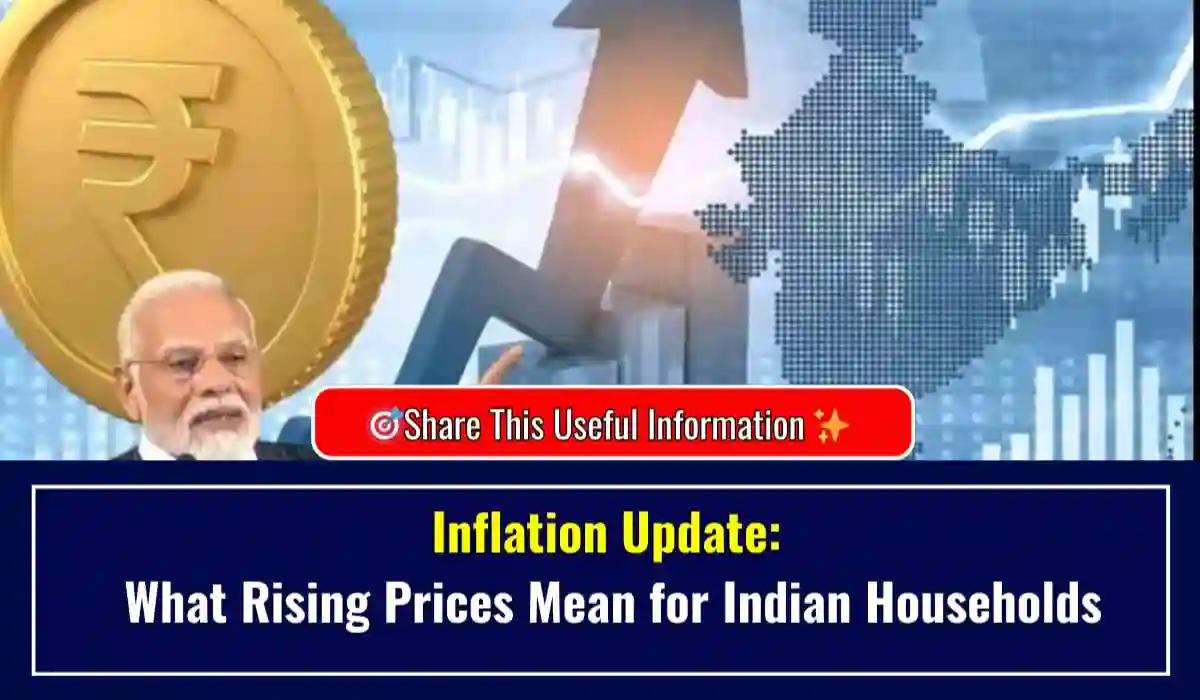
The year 2026 has brought with it subtle shifts in prices across India, affecting both urban and rural households. While headline inflation remains relatively low, everyday essentials such as food, fuel, and utilities are starting to see gradual price increases. This trend has prompted families to rethink their monthly budgets and spending priorities carefully. Consumers are now watching the market closely to manage household expenses effectively while keeping lifestyle choices intact.
Households across India are also responding to inflation by seeking smarter ways to save and spend. From bulk buying groceries to opting for energy-efficient appliances, families are finding innovative ways to stretch their income. Experts believe that understanding these trends early can help households maintain financial stability without compromising on quality of life.
Rising Food Prices and Household Budgets
Food remains one of the most sensitive categories affected by inflation. Over the past few months, staples such as wheat, rice, pulses, vegetables, and edible oils have started to show modest price increases. Urban households feel this change in grocery bills immediately, while rural families see a larger impact due to the higher share of income spent on food.
- Vegetables, fruits, and dairy products have increased by 2–5% in most cities.
- Rural regions notice subtle yet impactful rises in staples like rice, wheat, and sugar.
- Price fluctuations in essential commodities can affect nutrition and daily household planning.
Experts suggest that small, consistent price increases in essentials can gradually erode disposable income, making it essential for families to track their grocery and food expenses regularly. Smart budgeting and local market shopping can help mitigate some of these effects.

Housing Costs and Urban Inflation
Urban households continue to feel inflation most strongly through housing-related expenses. Rents in metropolitan cities like Mumbai, Delhi, and Bangalore have increased between 2–5% annually, while utility costs such as electricity and water bills are gradually rising. These factors combine to make urban living costlier, even as overall inflation remains low.
For many urban families, higher rent often means reduced funds for discretionary spending such as dining, entertainment, or leisure activities. Household finance experts recommend reviewing lease agreements, energy usage, and monthly bills to identify areas for potential savings. Staying proactive helps maintain financial stability amid rising costs.
Transportation and Fuel: The Invisible Pressure
Transportation costs play a subtle but impactful role in household budgets. Rising petrol and diesel prices affect commuting, delivery charges, and even public transport fares. Urban households with private vehicles feel the increase immediately, while rural areas experience indirect effects through higher goods transportation costs.
- Fuel prices have increased by approximately 3–4% in urban centers recently.
- Rural communities see higher agricultural input costs, indirectly affecting food prices.
- Regular tracking of fuel expenses and considering shared transport options can reduce household strain.
Households adopting fuel-efficient vehicles or relying on public transport are finding ways to minimize these additional costs, highlighting the importance of strategic planning in managing rising inflation pressures.

Healthcare and Education Costs
Healthcare and education are other key areas where inflation impacts households differently. In urban areas, private schooling fees, coaching classes, and clinic visits rise steadily by 5–7% annually, affecting middle-class family budgets. Rural households benefit from government schemes, though private education and healthcare still impact certain regions.
Medical expenses, including consultations, medicines, and preventive care, have a direct effect on monthly income. With increasing health awareness post-pandemic, families are also investing more in wellness and insurance coverage, further adding to household costs. Smart planning and exploring affordable options remain crucial to maintaining financial balance.
Urban vs Rural Inflation Impact
Urban and rural households experience inflation differently due to varying consumption patterns. Cities see higher expenses in housing, transport, and processed foods, while rural areas are more affected by staple food prices and agricultural inputs. Understanding these differences helps households prepare better for monthly expenses.
- Urban families face rising discretionary spending pressures, such as entertainment and dining.
- Rural families spend a larger share of income on food and essential commodities.
- Both sectors are impacted by fuel, electricity, and cooking fuel costs, but the effect varies regionally.
Recognizing these distinctions can guide households in adopting smarter budgeting strategies tailored to their environment, ensuring sustainability amid gradual inflation.

How Households Can Adapt
Rising prices do not have to destabilize household finances. Families can adapt by re-evaluating budgets, prioritizing essential spending, and adopting cost-saving measures. Smart shopping, bulk purchases, energy efficiency, and investment in savings instruments are increasingly important for financial resilience.
- Keep a monthly expense log to track where money is going.
- Compare local markets and online platforms for better deals.
- Reduce discretionary spending temporarily if essentials start consuming a higher portion of income.
By embracing these strategies, households can maintain their standard of living while mitigating the impact of inflation. Financial literacy and proactive planning play key roles in navigating these economic shifts successfully.
Government and RBI Measures
The Reserve Bank of India and government policies also influence inflation trends. The RBI monitors price changes closely and may adjust interest rates to stabilize the economy. Subsidies, rural support programs, and fuel price adjustments help households manage costs effectively.
Policies aimed at maintaining low headline inflation allow families to maintain purchasing power. However, experts warn that small increases in essential commodities can still significantly affect low- and middle-income households, highlighting the importance of public awareness and proactive financial planning.
Friendly Guidance for Households
Families can weather rising prices without major stress by staying informed and flexible. Monitoring inflation trends, planning purchases, and optimizing household spending are simple yet effective strategies. Open conversations about expenses within the family can also help make collective decisions that safeguard financial stability.
Urban and rural households alike benefit from understanding the areas most affected by inflation. Prioritizing essentials, exploring local market options, and adopting energy-efficient habits provide a buffer against gradual price increases while maintaining quality of life.
Conclusion: Staying Prepared in 2026
Inflation in 2026 is manageable yet requires attention from households across India. Urban families face rising housing and transportation costs, while rural households feel changes mainly through staples. Smart budgeting, strategic planning, and proactive adaptation can protect purchasing power and ensure financial comfort.
With awareness and practical measures, Indian households can thrive even amid rising prices. By understanding trends, tracking expenses, and prioritizing needs over wants, families can maintain stability and enjoy a balanced lifestyle throughout 2026. Financial foresight today ensures security and peace of mind tomorrow.